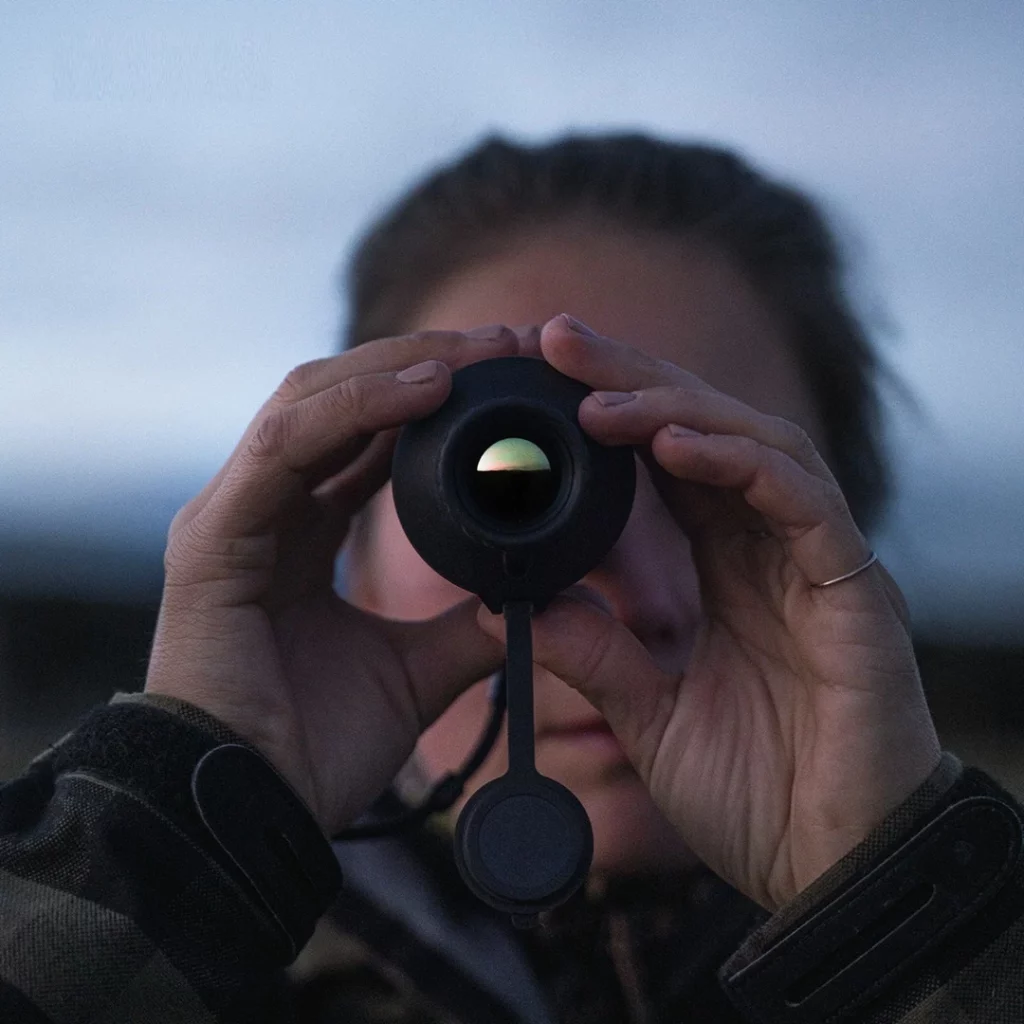
Wildlife protection demands advanced tools, strategic planning, and real-time monitoring systems. Thermal imaging wildlife conservation technology now plays a critical role in safeguarding endangered species and protecting natural habitats. Organizations and reserves increasingly rely on thermal solutions to detect threats, monitor animal movements, and strengthen anti-poaching operations across protected areas.
At Thermal Africa, conservation professionals access cutting-edge thermal solutions designed specifically for wildlife protection. By integrating innovative thermal imaging systems, conservation teams can enhance visibility in low-light environments and respond to risks faster. For detailed solutions and implementation insights, conservation authorities can explore the company website and learn more through the dedicated conservation resource page at thermal imaging wildlife conservation solutions.
In regions like Pretoria, wildlife reserves and conservation parks face increasing challenges from illegal poaching and habitat threats. Thermal technology provides a proactive defense system that supports continuous monitoring without disturbing wildlife. This approach strengthens conservation strategies and creates a safer ecosystem for animals and conservation teams alike.
To learn more about thermography or thermal imaging camera (colloquially known as a TIC) is a type of thermographic camera visit: https://en.wikipedia.org/wiki/Thermography
Understanding Thermal Imaging Wildlife Conservation
Thermal imaging wildlife conservation refers to the use of heat-detecting cameras to monitor animals, detect intrusions, and support environmental protection efforts. Unlike traditional cameras, thermal systems detect heat signatures instead of visible light. This capability allows conservation teams to monitor wildlife during nighttime, fog, dense bush, or harsh weather conditions.
Conservation thermal cameras capture temperature variations emitted by animals and humans. Rangers and security teams can track movements across large landscapes without using bright lights that could disturb wildlife. This method supports ethical observation and ensures minimal ecological disruption.
Modern reserves use thermal imaging to study animal behavior, migration patterns, and habitat usage. Researchers gather valuable data while maintaining a non-invasive monitoring process. This approach improves conservation planning and species protection initiatives.
The Growing Importance of Anti-Poaching Thermal Technology
Illegal poaching remains one of the biggest threats to wildlife populations. Traditional surveillance methods often fail at night or in remote areas. Anti-poaching thermal technology provides a powerful advantage by detecting human presence in darkness and concealed terrain.
Thermal systems help rangers identify suspicious activity from long distances. Security teams can monitor large reserve boundaries without deploying excessive manpower. This efficiency reduces operational costs while increasing protection coverage.
Poachers often operate under the cover of darkness. Thermal imaging eliminates that advantage by detecting heat signatures regardless of lighting conditions. Conservation teams gain early warning alerts and respond before poaching incidents escalate.
How Conservation Thermal Cameras Improve Wildlife Monitoring
Conservation thermal cameras deliver unmatched surveillance capabilities in wildlife environments. These cameras allow teams to observe animals naturally without interference. Rangers can monitor nocturnal species that traditional cameras cannot capture effectively.
Thermal cameras also help track injured animals that may hide in dense vegetation. Heat detection simplifies search and rescue operations within large conservation areas. This capability significantly improves animal welfare and recovery efforts.
In addition, conservationists use thermal imaging to monitor herd movements and migration trends. Data collected through thermal observation supports long-term ecological research and biodiversity preservation.
Enhancing Night Surveillance in Wildlife Reserves
Nighttime presents the highest risk period for poaching and illegal activities. Thermal imaging wildlife conservation systems provide clear visibility even in complete darkness. Rangers gain a strategic advantage with continuous surveillance capabilities.
Thermal cameras mounted on watchtowers, drones, and patrol vehicles extend monitoring coverage across vast landscapes. Security personnel detect movement instantly and verify threats without delay. This rapid detection strengthens reserve protection systems.
Thermal surveillance also reduces dependency on artificial lighting. Bright lights can disturb animals and alter their natural behavior. Thermal systems ensure discreet monitoring while maintaining ecological balance.
Integration with Drone Technology for Advanced Conservation
Drones equipped with conservation thermal cameras revolutionize wildlife monitoring. Aerial thermal surveillance allows conservation teams to cover large territories quickly and efficiently. This method proves highly effective in remote and difficult terrains.
Drone-based thermal imaging detects poachers, injured animals, and unusual activity across protected zones. Rangers receive real-time aerial insights that enhance decision-making and rapid response strategies.
Thermal drone patrols also reduce risks for ground patrol teams. Rangers can assess situations safely before entering potentially dangerous areas. This integration improves operational safety and conservation efficiency.
Supporting Biodiversity Research and Data Collection
Thermal imaging wildlife conservation technology supports scientific research and ecological data analysis. Researchers use thermal cameras to observe animal interactions, nesting habits, and territorial behavior.
This technology enables long-term wildlife studies without human interference. Scientists collect accurate data while minimizing stress on animals. Conservation programs benefit from reliable insights that guide policy and habitat management.
Thermal data also assists in identifying population densities and species distribution. Authorities can implement targeted conservation measures based on factual environmental data.
Cost Efficiency and Long-Term Conservation Benefits
Investing in anti-poaching thermal technology reduces long-term operational expenses. Traditional surveillance methods require extensive manpower and infrastructure. Thermal systems streamline monitoring and reduce resource dependency.
Thermal cameras operate in multiple environmental conditions without requiring constant maintenance. Their durability makes them ideal for wildlife reserves with rugged terrain and harsh climates.
Over time, conservation organizations experience improved efficiency, reduced poaching incidents, and enhanced ecosystem protection. These long-term benefits justify the investment in advanced thermal imaging systems.
Real-Time Threat Detection and Rapid Response
Real-time monitoring remains essential for effective wildlife protection. Conservation thermal cameras provide instant alerts when unusual heat signatures appear within protected zones. Rangers respond quickly and prevent illegal activities before escalation.
Thermal detection systems integrate with modern control centers and mobile devices. Security teams receive live feeds and alerts that improve situational awareness. This technology strengthens coordinated anti-poaching operations.
Faster response times significantly increase the chances of intercepting poachers and safeguarding endangered species. Thermal imaging transforms reactive conservation into proactive protection.
Environmental Adaptability and Weather Resistance
Wildlife reserves operate in unpredictable environmental conditions. Rain, fog, dust, and darkness often limit traditional surveillance equipment. Thermal imaging wildlife conservation systems perform consistently in all weather conditions.
Thermal cameras detect heat signatures through light vegetation and low-visibility environments. This reliability ensures uninterrupted monitoring across different seasons and terrains.
Such adaptability makes thermal technology an essential asset for conservation projects in diverse ecosystems, including savannahs, forests, and wetlands.
Strengthening Perimeter Security in Protected Areas
Perimeter security forms the first line of defense against poaching. Anti-poaching thermal technology enhances boundary surveillance with precision detection capabilities. Rangers identify intrusions before threats reach core wildlife zones.
Thermal imaging systems integrate with motion sensors and alarm systems to create a comprehensive security network. This layered approach strengthens reserve defense strategies and reduces security vulnerabilities.
With improved perimeter monitoring, conservation teams protect both wildlife and infrastructure effectively.
Ethical Wildlife Observation and Non-Invasive Monitoring
Ethical monitoring practices remain crucial in modern conservation. Thermal imaging allows researchers to observe animals without disturbing their natural habitats. This non-invasive method ensures minimal ecological disruption.
Animals behave naturally when not exposed to visible light or human interference. Conservationists gain authentic behavioral insights that improve ecological research outcomes.
Thermal imaging wildlife conservation aligns with sustainable and ethical wildlife management principles. It supports long-term biodiversity preservation without compromising animal welfare.
Future Trends in Thermal Imaging for Conservation
Technological advancements continue to enhance conservation thermal cameras. Artificial intelligence and automated analytics now integrate with thermal systems for smarter threat detection.
AI-powered thermal imaging identifies patterns and distinguishes between animals, humans, and environmental movements. This automation reduces false alarms and improves operational accuracy.
Future innovations will further expand the role of thermal imaging in wildlife conservation. Smart surveillance networks, predictive analytics, and advanced drone integration will redefine conservation strategies globally.
For organizations seeking tailored thermal solutions, visiting the internal resource on thermal imaging wildlife conservation provides detailed guidance on implementing advanced conservation systems.
FAQs
How is thermal imaging used in wildlife conservation?
Thermal imaging tracks animal movements and monitors habitats without disturbing wildlife.
It also detects threats and supports research through non-invasive observation methods.
Can thermal cameras detect poachers at night?
Yes, thermal cameras identify human heat signatures in complete darkness and dense vegetation.
This capability allows rangers to intercept poachers before incidents occur.
Are thermal systems used by game reserves?
Yes, many game reserves deploy conservation thermal cameras for surveillance and research.
They enhance perimeter security, wildlife monitoring, and anti-poaching operations.
Conclusion
Thermal imaging wildlife conservation technology has transformed modern wildlife protection strategies. Conservation teams now rely on anti-poaching thermal technology and conservation thermal cameras to detect threats, monitor ecosystems, and protect endangered species efficiently. From real-time surveillance to ethical observation and advanced drone integration, thermal systems offer unmatched advantages for conservation efforts. By adopting specialized solutions and leveraging expert resources such as Thermal Africa, wildlife reserves in Pretoria and beyond can strengthen security, improve monitoring accuracy, and ensure sustainable biodiversity protection for future generations.