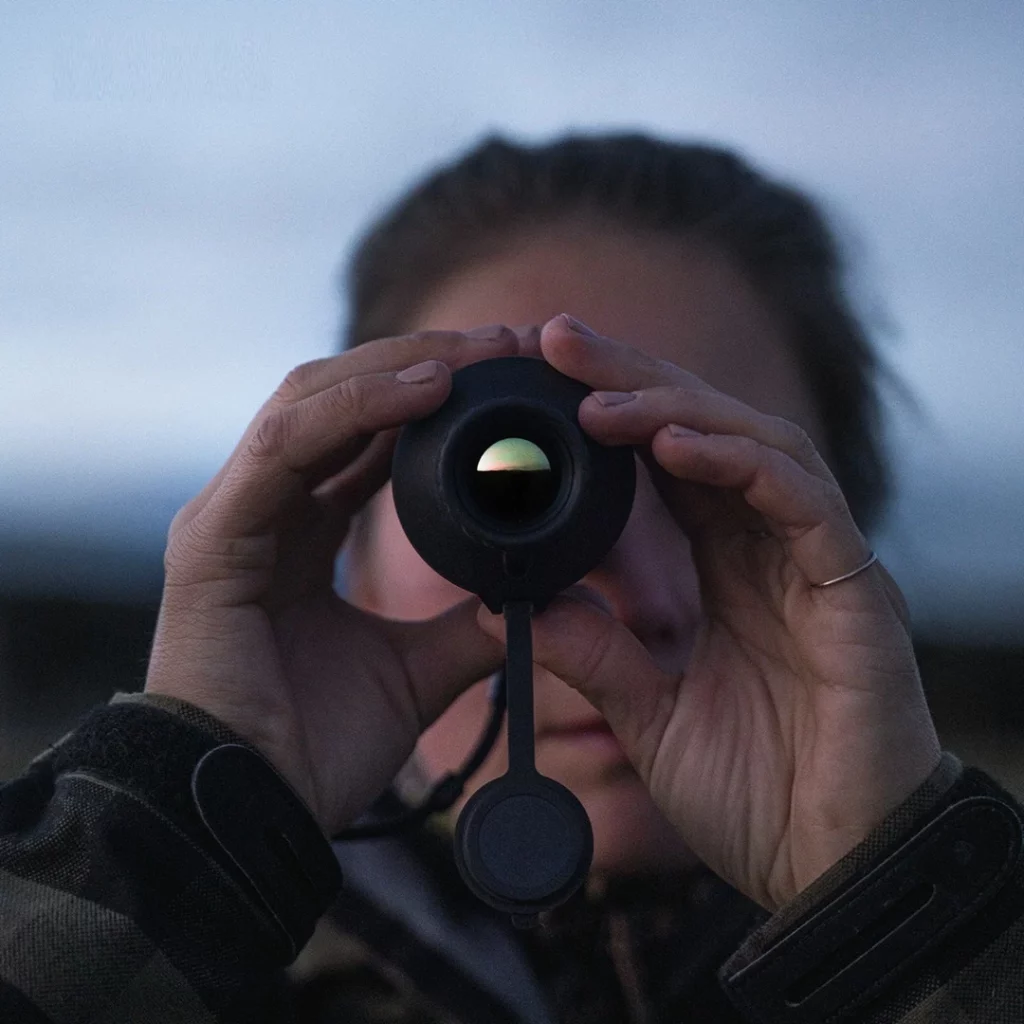
If you are looking for advanced vision technology in South Africa, a thermal monocular South Africa could be exactly what you need. These devices have revolutionized how hunters, wildlife enthusiasts, security personnel, and outdoor adventurers detect heat signatures, day or night. At Thermal Africa, we specialize in high-quality thermal imaging equipment, offering a range of handheld thermal viewers and portable thermal imaging solutions designed for various outdoor and professional applications.
Thermal monoculars are compact, easy-to-use devices that detect infrared radiation emitted by objects, animals, or humans. Unlike traditional night vision, they don’t rely on ambient light, allowing you to see heat signatures clearly in complete darkness. Whether you are exploring South Africa’s wildlife reserves or monitoring your property at night, these devices provide a new level of safety and awareness.
What Is a Thermal Monocular?
A thermal monocular is a single-eye optical device that uses infrared technology to capture and display heat emissions from objects and living beings. These devices are perfect for spotting wildlife, navigating in low-visibility conditions, and ensuring safety during nighttime activities. Portable thermal imaging devices have become increasingly popular because they combine the power of advanced thermal detection with the convenience of a handheld design.
Handheld thermal viewers come in various sizes and capabilities. Some are lightweight and designed for casual wildlife observation, while others offer professional-grade features like higher resolution imaging, digital zoom, and long detection ranges. Regardless of the model, thermal monoculars provide a clear advantage in environments where traditional vision tools fail.
Advantages of Handheld Thermal Viewers
Using a handheld thermal viewer offers multiple advantages, particularly in South Africa, where outdoor activities and wildlife spotting are popular.
- Night Vision Capabilities. Thermal monoculars do not need visible light to operate, making them ideal for nighttime exploration.
- Portable Design. Compact and lightweight, these devices are easy to carry, making them perfect for hiking, camping, or fieldwork.
- Wildlife Observation. Detect animals through dense foliage or in the dark, increasing your chances of spotting elusive wildlife.
- Security Applications. Monitor property and detect intruders efficiently without being detected.
- Weather Resistance. Many models are designed to withstand harsh outdoor conditions in South Africa, including rain, dust, and extreme temperatures.
Portable thermal imaging technology continues to evolve, providing higher resolution, better battery life, and faster processing speeds. This ensures that users get reliable performance whether in remote wilderness areas or urban settings.
How Does Thermal Imaging Work?
Thermal monoculars detect infrared radiation, which all objects emit as heat. These sensors capture temperature differences and translate them into visible images displayed on the monocular’s screen. Warmer objects appear brighter, while cooler surroundings are darker, making it easier to identify living beings and heat-emitting equipment.
Advanced handheld thermal viewers often include features like image enhancement, video recording, and Wi-Fi connectivity, allowing users to capture and share thermal images conveniently. Portable thermal imaging provides a tactical advantage in any situation where visibility is limited.
Choosing the Right Thermal Monocular in South Africa
Selecting the perfect thermal monocular depends on your intended use. For casual wildlife spotting, a basic portable thermal imaging device may suffice. Professionals requiring surveillance or search and rescue applications may need a high-end model with enhanced resolution, extended detection range, and advanced imaging modes.
When choosing a device, consider the following:
- Detection Range. Longer detection ranges allow spotting wildlife or intruders from a safe distance.
- Resolution. Higher resolution provides clearer and more detailed images.
- Battery Life. Extended battery life is crucial for long excursions.
- Durability. Ensure the device is weatherproof and impact-resistant for outdoor conditions in South Africa.
For a comprehensive guide, check out our thermal monocular South Africa guide at Thermal Africa. It covers the best models and expert tips for selecting a device that matches your needs.
Applications of Thermal Monoculars
Thermal monoculars have a wide range of practical applications:
- Wildlife Observation. Safely view nocturnal animals without disturbing their natural behavior.
- Hunting. Identify and track game, even in complete darkness or dense brush.
- Security and Surveillance. Detect potential threats or intruders around homes, farms, or private estates.
- Search and Rescue. Locate lost individuals or animals in low visibility conditions.
- Outdoor Adventures. Enhance safety during night hikes, camping, or boating excursions.
Portable thermal imaging devices offer flexibility, allowing you to carry one device for multiple tasks, making them a worthwhile investment for anyone in South Africa interested in outdoor activities or security.
Maintaining Your Thermal Monocular
To maximize the lifespan of your handheld thermal viewer, proper maintenance is key. Always store it in a dry, dust-free environment, and clean the lenses with a soft cloth. Avoid exposing the device to extreme heat or moisture for extended periods. Regular firmware updates, if applicable, ensure that your device performs optimally and continues to provide clear thermal images.
FAQs
What is a thermal monocular used for?
A thermal monocular detects heat signatures from living beings or objects, useful for wildlife spotting, security, and outdoor exploration.
Are thermal monoculars good for wildlife spotting?
Yes, they allow clear observation of animals in darkness or dense foliage without disturbing them.
How far can a monocular detect heat signatures?
Detection range varies by model, but many handheld thermal viewers can spot heat sources up to several hundred meters away.
Conclusion
Thermal monoculars in South Africa are essential tools for anyone seeking advanced vision technology. Whether you need a handheld thermal viewer for wildlife observation, a portable thermal imaging device for security, or general outdoor adventures, these devices offer unmatched functionality. At Thermal Africa, you can explore a wide range of thermal monoculars designed for South African conditions. Make your outdoor experiences safer, more productive, and more enjoyable with the right thermal technology today.