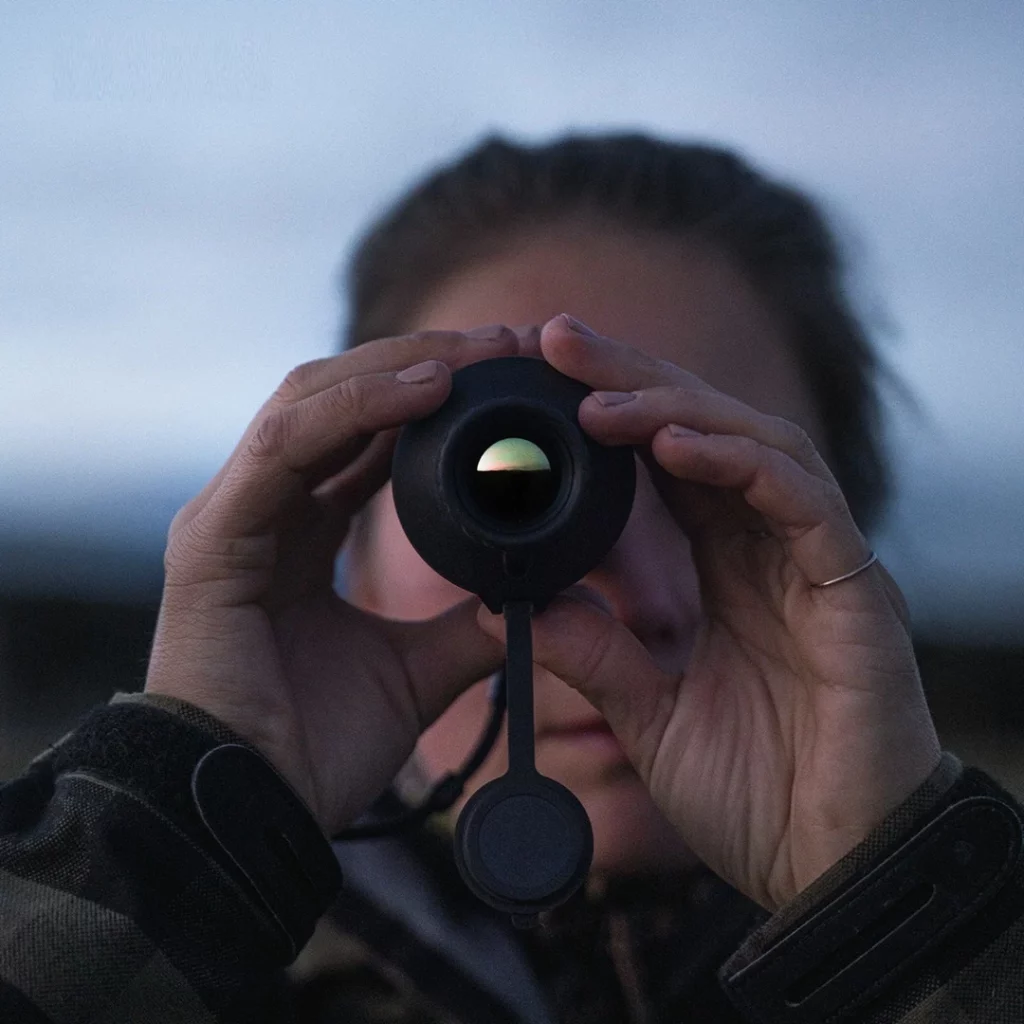
Thermal equipment converts infrared radiation into visible images to identify heat signatures and temperature variations. In the South African industrial landscape, thermography solutions are the primary tool for non-destructive testing, predictive maintenance, and high-level security surveillance.
South African industries face unique challenges, including extreme ambient temperatures and high-demand electrical grids. Professional thermal cameras allow technicians to identify “hot spots” in electrical circuits or mechanical friction in machinery before equipment failure occurs. This proactive approach minimizes downtime and reduces the risk of electrical fires.
Core Applications for Professional Thermography
Industrial Maintenance and Electrical Audits
Thermal imaging is the gold standard for predictive maintenance in South Africa’s manufacturing and mining sectors. By scanning switchgear, transformers, and motor control centers, thermographers detect high-resistance connections that are invisible to the naked eye.
Security and Perimeter Protection
Unlike standard CCTV, thermal security cameras do not require light to function. They detect the body heat of intruders through smoke, light fog, and total darkness. This makes them indispensable for farm security, estate management, and critical infrastructure protection across the country.
Building Science and HVAC Efficiency
Thermography identifies thermal bridging, insulation gaps, and moisture ingress in commercial buildings. Using high-resolution sensors, property managers can pinpoint leaks in flat roofs or underfloor heating systems without invasive demolition.
Comparative Hardware Analysis: HIKMICRO Series
| Feature | Eco Series (Entry Level) | Pocket Series (Compact) | M Series (Professional) |
| Thermal Resolution | 96 × 96 | 192 × 156 | Up to 640 × 480 |
| Temperature Range | -20°C to 550°C | -20°C to 400°C | -20°C to 650°C |
| Best For | HVAC & Basic DIY | Field Technicians | Industrial Audits & R&D |
| Connectivity | USB-C | Wi-Fi / App | Bluetooth / Wi-Fi / HDMI |
Optimizing Reliability with High-Resolution Sensors
The accuracy of a thermography solution depends on its thermal sensitivity (NETD) and spatial resolution. Lower NETD values (measured in milliKelvin) allow the camera to distinguish between minute temperature differences, which is critical for detecting early-stage bearing wear or subtle moisture patterns.
Thermal Africa ensures all equipment meets international standards for measurement accuracy. Calibration and local support are vital components of our service, ensuring that South African professionals have access to precision tools that survive the rigors of local environmental conditions.
Expert Insight: “Thermal imaging is not just about seeing heat; it is about accurate data interpretation. Using a camera with a 25Hz frame rate or higher ensures smooth scanning of moving mechanical parts, preventing blurred data sets.”
As the HIKMICRO Specialised Importer and Distributor, Thermal Africa anchors its solutions in proven, field-tested engineering. Selecting hardware with an optimized sensor matrix ensures that local technicians can generate defensible, high-accuracy inspection reports that comply with both South African national safety standards and international predictive maintenance protocols. T PROPRIETARY DATA/CASE STUDY HERE: e.g., How a local SA mine reduced downtime by 15% using HIKMICRO M-Series cameras]
Common Insights & Clarifications
Does thermal equipment work through glass or walls?
No, thermal cameras cannot see through glass because glass reflects infrared radiation. Similarly, they cannot see “through” walls; instead, they detect surface temperature signatures that indicate what is happening behind the wall, such as a leaking pipe or a hot electrical wire heating the drywall.
What is the importance of Emissivity in thermography?
Emissivity is a measure of how effectively a surface emits infrared energy. Different materials (e.g., shiny copper vs. matte black plastic) emit heat differently. To get an accurate temperature reading, the thermographer must adjust the camera settings to match the specific material’s emissivity value.
Can thermal cameras detect moisture?
Thermal cameras do not “see” water directly, but they detect the evaporative cooling effect or the thermal mass difference caused by moisture. Damp areas in ceilings or walls usually appear colder than dry areas, allowing for precise leak detection and water damage assessment.