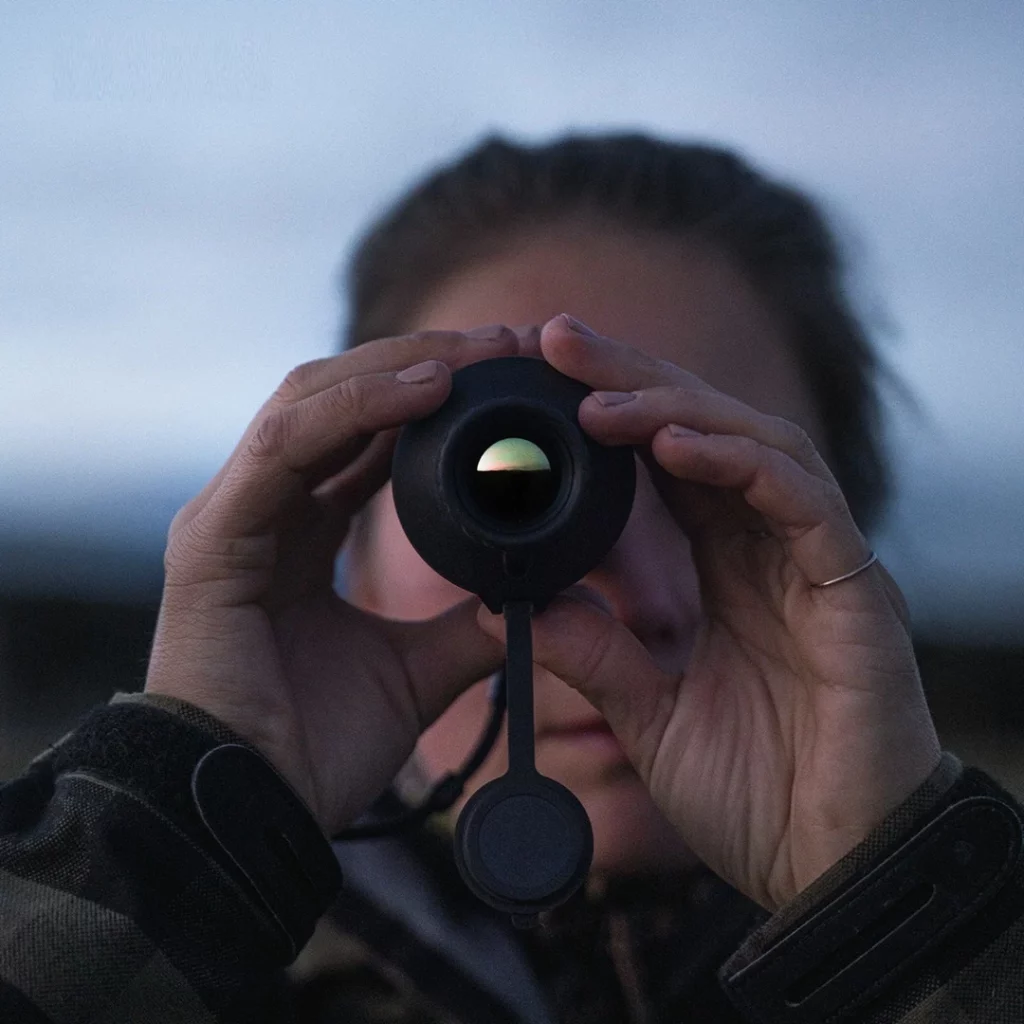
Understanding the thermal camera detection range is crucial for professionals in security, wildlife observation, and surveillance. At Thermal Africa, we specialize in providing advanced thermal imaging solutions for South Africa and surrounding areas, helping users maximize visibility even in complete darkness. Whether you’re monitoring a perimeter, observing wildlife, or inspecting equipment, knowing how far your thermal camera can see is essential for making informed decisions.
Thermal cameras operate by detecting infrared radiation emitted by objects, converting heat signatures into a visible image. This allows operators to see objects and people even in total darkness, fog, or smoke. However, the actual thermal viewing distance varies based on several factors, including sensor quality, lens specifications, environmental conditions, and the size of the target.
What Determines Thermal Camera Detection Range?
Several factors influence the thermal detection range of a camera. Understanding these can help you choose the right equipment for your needs.
1. Sensor Resolution
The resolution of the thermal sensor directly impacts how far a camera can detect heat sources. Higher resolution sensors capture more detailed thermal information, allowing for clearer identification of objects at greater distances. For instance, a 640×480 sensor will typically provide a longer viewing range compared to a 320×240 sensor, enhancing long-range surveillance capabilities.
2. Lens Quality and Focal Length
The lens plays a critical role in focusing infrared radiation onto the sensor. Lenses with longer focal lengths allow cameras to detect objects at greater distances, which is vital for applications like wildlife monitoring or security patrols. Combining a high-resolution sensor with a quality long-focus lens ensures maximum thermal viewing distance.
3. Target Size and Temperature
Larger objects emit more infrared radiation, making them easier to detect at longer distances. Similarly, objects with higher temperature differences from their surroundings are more visible on thermal cameras. For example, a human body is more easily detected against a cool background than against a hot surface.
4. Environmental Conditions
Weather conditions such as rain, fog, or heavy smoke can reduce the effective thermal detection range. Thermal cameras can see through some obscurants, but dense atmospheric conditions scatter infrared radiation and reduce detection distances. Understanding local environmental factors in South Africa can help you select the best thermal camera for your specific needs.
5. Camera Technology and Features
Modern thermal cameras come with features like image enhancement, zoom, and digital filtering. These technologies improve the clarity and range of thermal imaging. For instance, long-range thermal optics with advanced image processing allow users to identify distant targets with greater precision.
Practical Applications of Thermal Detection Range
Knowing your camera’s thermal viewing distance is critical for planning effective surveillance, security, and monitoring strategies.
Security and Surveillance
Thermal cameras provide round-the-clock surveillance. Security professionals in South Africa rely on thermal detection to monitor large areas where standard cameras might fail in low-light conditions. Installing cameras with optimal detection ranges ensures early detection of intruders, reducing response times and enhancing safety.
Wildlife Observation
For wildlife researchers and conservationists, thermal cameras reveal animals that are otherwise hidden in dense vegetation or darkness. Long-range thermal optics allow observers to track animals without disturbing their natural behavior. Choosing a camera with a reliable detection range ensures accurate and non-invasive monitoring.
Industrial Inspections
Thermal imaging is invaluable in identifying equipment overheating, electrical faults, or heat leaks in industrial settings. The thermal camera detection range helps engineers inspect machinery from a safe distance, preventing accidents and improving maintenance efficiency.
Personal and Recreational Use
Enthusiasts also use thermal cameras for activities like hiking, boating, or hunting. Understanding thermal viewing distance ensures safe navigation and enhances outdoor experiences, particularly in low-visibility conditions.
How to Maximize Thermal Detection Distance
- Select the Right Sensor: Choose a high-resolution thermal sensor for long-distance detection.
- Use Appropriate Lenses: Consider lenses with longer focal lengths for better target acquisition at range.
- Optimize Camera Settings: Adjust contrast, zoom, and image filters to improve clarity in different environments.
- Consider Environmental Factors: Account for weather, ambient temperature, and obstacles that may reduce visibility.
- Invest in Quality Equipment: Long-range thermal optics provide reliable performance for both professional and recreational use.
At Thermal Africa, we provide a comprehensive range of thermal imaging products tailored to South Africa users. Our solutions ensure optimal performance in security, wildlife observation, and industrial applications.
FAQs
How far can thermal cameras detect people or animals?
Thermal cameras detect people or animals depending on sensor resolution and lens. Long-range thermal optics can identify targets at several hundred meters.
What affects thermal detection range?
Sensor quality, lens focal length, target size, and weather conditions all impact detection. Optimizing these factors maximizes visibility.
Is higher resolution better for long distance?
Yes, higher resolution sensors capture more detail and extend the effective viewing distance. They are ideal for long-range surveillance.
Conclusion
Understanding the thermal camera detection range is key for anyone relying on thermal imaging technology in South Africa. Factors like sensor resolution, lens quality, environmental conditions, and target size all determine the thermal viewing distance. Investing in advanced long-range thermal optics ensures effective surveillance, wildlife observation, and industrial inspections. For tailored solutions and expert advice, visit Thermal Africa to explore our full range of thermal cameras and accessories.