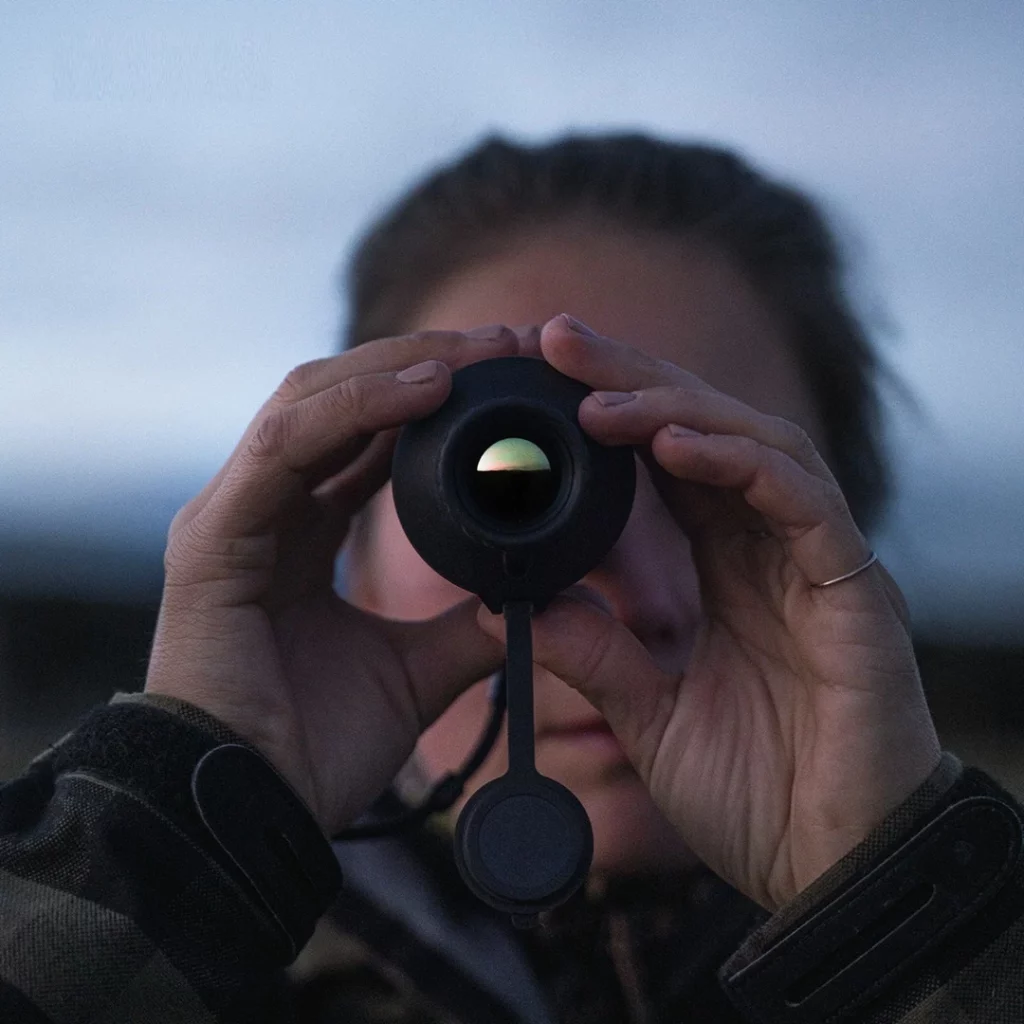
Thermal binoculars are no longer just tools for military or security professionals — they have found their place in wildlife observation, search and rescue, maritime navigation, and even outdoor adventure. By detecting heat signatures rather than relying on visible light, a thermal binocular offers unmatched visibility in complete darkness, through light fog, and even in challenging terrain.
Whether you’re a seasoned game ranger, a security specialist, or an avid nature enthusiast, understanding how these devices work and what to look for before purchasing is key. This guide will explore the technology behind thermal binoculars, their best uses, legal considerations in South Africa, and how to choose a model that meets your needs.
What is a Thermal Binocular?
A thermal binocular is an optical device that uses infrared sensors to detect heat emitted by objects, animals, or people. Unlike traditional night vision, which amplifies available light, a thermal binocular works entirely by sensing thermal energy. This makes it effective both day and night, regardless of lighting conditions.
These binoculars typically display images in different color palettes — such as white hot, black hot, or multi-color — to help the user distinguish heat signatures more easily. They are widely used in wildlife spotting, anti-poaching patrols, border surveillance, marine safety, and property security.
How Thermal Binoculars Work
Every object above absolute zero emits infrared radiation. A thermal binocular captures this radiation using a specialized thermal sensor. This sensor converts heat signatures into an electronic signal, which is then processed into a thermal image displayed on the binocular’s screen.
Key components include:
- Infrared Lens: Focuses heat energy onto the sensor.
- Thermal Sensor: Detects temperature differences and generates a raw image.
- Image Processor: Enhances and colors the image for better visual clarity.
- Display Screen: Shows the final thermal view to the user.
The result is an image where warmer objects stand out against cooler backgrounds — even in pitch darkness.
Best Uses of Thermal Binoculars
The best use of thermal binocular depends on your application, but some of the most common and effective uses include:
- Wildlife Observation
Spot nocturnal animals without disturbing them with artificial light. Game reserves and safari guides often rely on thermal binoculars for safe and ethical tracking. - Search and Rescue Operations
Detect missing persons in challenging terrain or low-visibility conditions, including heavy bush, smoke, or fog. - Security and Surveillance
Identify intruders in total darkness without revealing your position. Ideal for farms, game lodges, and private properties. - Marine Navigation
Detect obstacles, floating debris, or people in the water during night operations. - Hunting Assistance
Locate and track animals while maintaining stealth and safety.
How Does a Thermal Binocular Work at Night?
At night, the principle is the same as during the day — a thermal binocular doesn’t rely on visible light. Instead, it detects the infrared radiation naturally emitted by objects. This means that even in total darkness, you can see warm targets such as humans, animals, or engines clearly.
For example, a kudu standing in the bush at midnight will appear as a bright silhouette against the cooler background of trees and rocks. This capability is why thermal imaging outperforms traditional night vision in many field conditions.
Legal Considerations: Is Thermal Binocular Legal to Use in South Africa?
Yes, thermal binocular devices are legal to own and use in South Africa. However, their use must comply with local laws and ethical guidelines, especially when it comes to wildlife and firearm-related activities.
While there are no general prohibitions against thermal imaging devices, you should always:
- Avoid using them for illegal hunting or poaching.
- Respect privacy laws and property boundaries.
- Follow any specific restrictions in nature reserves or protected areas.
If you are part of a professional security or anti-poaching unit, ensure that your use aligns with operational guidelines and any relevant licensing requirements.
What to Look for in a Thermal Binocular Device
Choosing the right thermal binocular involves considering several factors that affect image quality, usability, and durability.
1. Resolution
Higher thermal resolution (e.g., 640×480 pixels) gives a sharper and more detailed image, especially at longer ranges. For professional applications like security or search and rescue, aim for higher resolution.
2. Detection Range
The detection range determines how far you can spot a heat signature. Premium models may detect large objects beyond 2,000 meters.
3. Refresh Rate
A higher refresh rate (50–60 Hz) provides smoother motion, which is important for tracking moving targets.
4. Lens Size
A larger objective lens collects more infrared radiation, improving performance in varying conditions.
5. Battery Life
For extended fieldwork, look for a thermal binocular with long battery life or swappable batteries.
6. Durability
Waterproofing, dust resistance, and rugged construction are essential for outdoor and tactical use.
7. Extra Features
- Multiple color palettes for better contrast in different environments.
- Video recording or image capture for documentation.
- Wi-Fi or Bluetooth for data sharing.
Where Can I Buy Reliable Thermal Binoculars?
In South Africa, you can buy reliable thermal binocular devices from specialized optics and imaging suppliers. One trusted source is Thermal Africa, which offers a range of high-quality thermal imagers suitable for wildlife, security, and professional applications.
When buying, choose suppliers that:
- Provide product warranties.
- Offer after-sales service and technical support.
- Have experience in matching devices to specific field needs.
Avoid cheap, unbranded imports, as they often fail to meet durability and image quality expectations.
Advantages of Using a Thermal Binocular
- Total Darkness Performance
Unlike visible light cameras or night vision, thermal imaging works without any illumination. - Weather Resilience
Functions through light fog, smoke, and some vegetation cover. - Stealth Observation
No visible light output, allowing discreet operations. - Safety Enhancement
Detects heat signatures that could be life-threatening, like overheated machinery or hidden wildlife near roads.
Tips for Maximizing Your Thermal Binocular’s Performance
- Learn to read thermal images: Understand how different surfaces retain heat to interpret your visuals accurately.
- Use appropriate color palettes: Switch between modes for best visibility in each environment.
- Maintain your lenses: Keep them clean to prevent image distortion.
- Check firmware updates: Some advanced thermal binocular devices allow software upgrades for better performance.
- Train in varied environments: Practice in day, night, and mixed weather conditions.
FAQs
What is the best use of thermal binocular?
The best use of a thermal binocular is for detection in low-visibility conditions, such as wildlife observation, search and rescue, security surveillance, and maritime navigation.
How does thermal binocular work at night?
It detects infrared radiation emitted by warm objects, allowing you to see in total darkness without any visible light source.
Is thermal binocular legal to use in South Africa?
Yes, it’s legal, but must be used ethically and within wildlife and privacy laws.
What should I look for in a thermal binocular device?
Consider resolution, detection range, refresh rate, lens size, battery life, durability, and extra features like recording or Wi-Fi connectivity.
Where can I buy reliable thermal binocular?
From reputable suppliers like Thermal Africa, which offers quality devices and after-sales support.
Final Thoughts
A thermal binocular is more than just a gadget — it’s a tool that opens new possibilities for night observation, security, and safety. By understanding how they work, where they excel, and how to choose the right model, you can invest in a device that delivers reliable performance for years.
If you’re ready to enhance your field visibility in South Africa, explore the professional-grade options available at Thermal Africa and find the thermal binocular that meets your needs.
FAQs:
What is the best use of thermal binocular?
How does thermal binocular work at night?
Is thermal binocular legal to use in South Africa?
What should I look for in a thermal binocular device?
Where can I buy reliable thermal binocular?