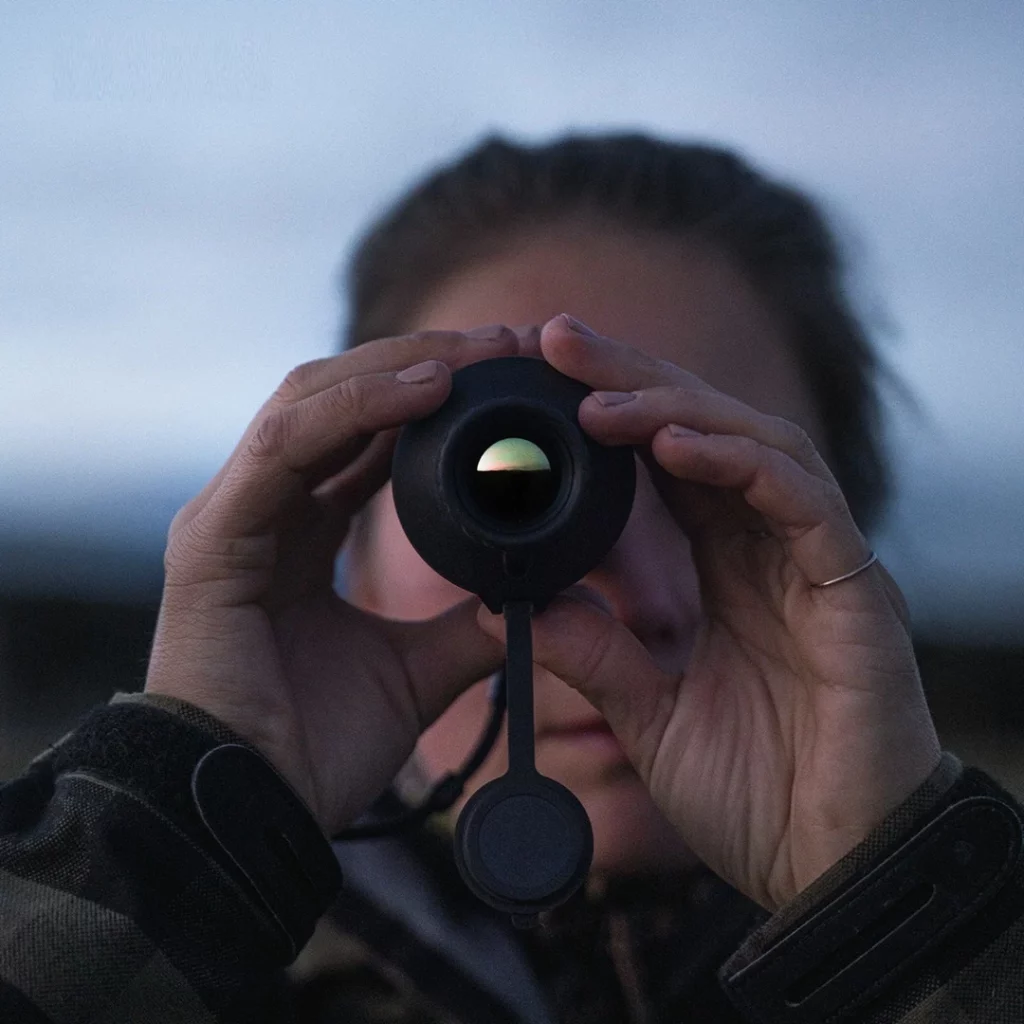
Thermal imaging has revolutionized how we see the world after dark. Whether you’re a wildlife enthusiast, security professional, or hunter, thermal telescopes in South Africa provide unmatched clarity and precision in total darkness. At Thermal Africa, we specialize in advanced thermal imaging technology designed for South African conditions — from dense bushveld to open savannas.
If you’re ready to explore the top-rated models and learn more about pricing, visit our dedicated product page here: Thermal Telescopes South Africa.
Why Thermal Telescopes Are Transforming Observation in South Africa
Thermal telescopes allow users to detect heat signatures emitted by animals, humans, or machinery, regardless of ambient light conditions. Unlike traditional night vision, which relies on limited starlight or infrared illumination, thermal telescopes use advanced sensors that detect minute temperature differences.
For professionals and outdoor enthusiasts across South Africa, this technology is becoming essential. From long-range thermal telescopes for game tracking to advanced thermal telescopes for perimeter defense, the possibilities are vast.
Applications Across Multiple Fields
- Wildlife Observation: South Africa’s unique ecosystems make it ideal for thermal imaging. Enthusiasts and researchers can observe nocturnal wildlife without disturbing their natural behavior.
- Security and Surveillance: Farms, private estates, and industrial sites benefit from high-magnification thermal optics, ensuring intruder detection even through fog, smoke, or total darkness.
- Search and Rescue: In rural or mountainous regions, thermal spotting helps locate lost individuals faster, even in challenging visibility conditions.
- Hunting: Ethical hunters in South Africa rely on thermal spotting scopes (SA) for precision tracking, reducing guesswork and ensuring humane targeting.
What Makes a Thermal Telescope “Advanced”?
Modern advanced thermal telescopes use sophisticated microbolometer sensors that convert infrared radiation into detailed thermal images. They come with high refresh rates, intelligent color palettes, and extended detection ranges — ideal for South Africa’s diverse landscapes.
1. Long-Range Capabilities
Long-range thermal telescopes can detect heat sources from several kilometers away. This is particularly valuable for wildlife research or border security, where large areas must be monitored efficiently.
2. High Magnification Thermal Optics
The best models offer optical and digital zoom, allowing users to identify fine details without compromising image clarity. These high magnification thermal optics give users the edge in both recreational and tactical settings.
3. Durability and Weather Resistance
Given South Africa’s unpredictable weather — from humid coastal air to arid desert heat — durability is critical. Premium thermal telescopes South Africa models are built with reinforced casings, waterproof seals, and fog-resistant lenses.
4. Smart Features and Connectivity
Today’s thermal optics often include Bluetooth, Wi-Fi, or app-based controls. This means users can stream footage, save images, or share findings instantly.
Choosing the Right Thermal Telescope in South Africa
When choosing a thermal telescope in South Africa, several factors come into play: detection range, magnification level, image resolution, and of course, price.
1. Purpose-Based Selection
If you’re focused on short-range security or wildlife observation, a compact thermal spotting scope SA may suffice. For professional surveillance or large-scale observation, opt for a long-range thermal telescope with enhanced optics.
2. Magnification and Lens Size
Bigger lenses collect more infrared radiation, resulting in clearer images. However, portability might be compromised — a key consideration for field users.
3. Battery Life and Power Options
In remote South African terrain, having a long-lasting battery or rechargeable pack is crucial. Some advanced thermal telescopes offer hot-swappable batteries, enabling uninterrupted fieldwork.
4. Price and Value
Thermal imaging technology can be an investment. Understanding the thermal telescope price South Africa range is essential. At Thermal Africa, we offer transparent pricing and tailored solutions to match every need — from budget-friendly models to professional-grade optics.
For related products, explore our Thermal Vision Scope range for versatile handheld or weapon-mounted options.
Understanding Thermal Telescope Pricing in South Africa
The thermal telescope price South Africa market varies widely depending on specifications. Entry-level models may cost between R20,000 and R40,000, while professional-grade systems can exceed R100,000. Factors that influence price include:
- Sensor resolution (measured in pixels) – higher resolution delivers sharper images.
- Detection range – the longer the range, the higher the cost.
- Refresh rate – higher frame rates allow smoother real-time tracking.
- Additional features – such as GPS, Wi-Fi streaming, and image storage.
At Thermal Africa, we partner with leading global manufacturers to provide South Africans with world-class thermal optics at competitive prices. Each model is tested for performance, reliability, and field readiness.
Long-Range Thermal Telescopes: Perfect for South African Conditions
From the Kruger National Park to the Karoo’s open plains, long-range thermal telescopes excel in wide and rugged terrains. Their ability to detect heat signatures kilometers away makes them indispensable for rangers, farmers, and security teams.
Imagine scanning a vast veld in pitch darkness — an animal’s movement or an intruder’s presence instantly visible as a glowing heat signature. That’s the power of thermal spotting scopes SA and long-range optics.
Such systems also reduce human error, as detection relies on heat rather than light or motion. Even in dense bush or foggy mornings, you can confidently identify what’s ahead.
The Role of Thermal Africa in the South African Market
At Thermal Africa, we understand that local users require robust, weather-resistant, and affordable solutions. Our mission is to deliver advanced thermal telescopes and optics tailored to South African environments and applications.
We offer:
- Professional advice on selecting the right thermal telescope.
- Competitive pricing and after-sales support.
- Access to the latest high magnification thermal optics on the market.
By combining cutting-edge global technology with local expertise, Thermal Africa has become a trusted name for both professionals and enthusiasts. Visit our Thermal Telescopes page to explore the full catalog.
FAQs
What is a thermal telescope and who uses it in South Africa?
A thermal telescope detects heat signatures rather than visible light. In South Africa, it’s used by wildlife researchers, hunters, and security professionals.
How far can thermal telescopes detect in South African terrain?
Depending on the model, detection can range from a few hundred meters to several kilometers — perfect for long-range observation and surveillance.
Where can I buy thermal telescopes in South Africa?
You can purchase top-quality models from Thermal Africa, which offers a wide range of advanced and long-range thermal optics.
Conclusion
As South Africa continues to embrace innovation in outdoor and security technologies, thermal telescopes South Africa are proving indispensable. Whether you need a long-range thermal telescope for fieldwork, a thermal spotting scope SA for tracking, or high magnification thermal optics for surveillance, Thermal Africa provides solutions tailored to your exact needs.
With transparent thermal telescope prices in South Africa, professional support, and advanced designs built for local conditions, we’re your trusted partner in thermal vision. Visit Thermal Africa today and experience the next generation of night vision technology.