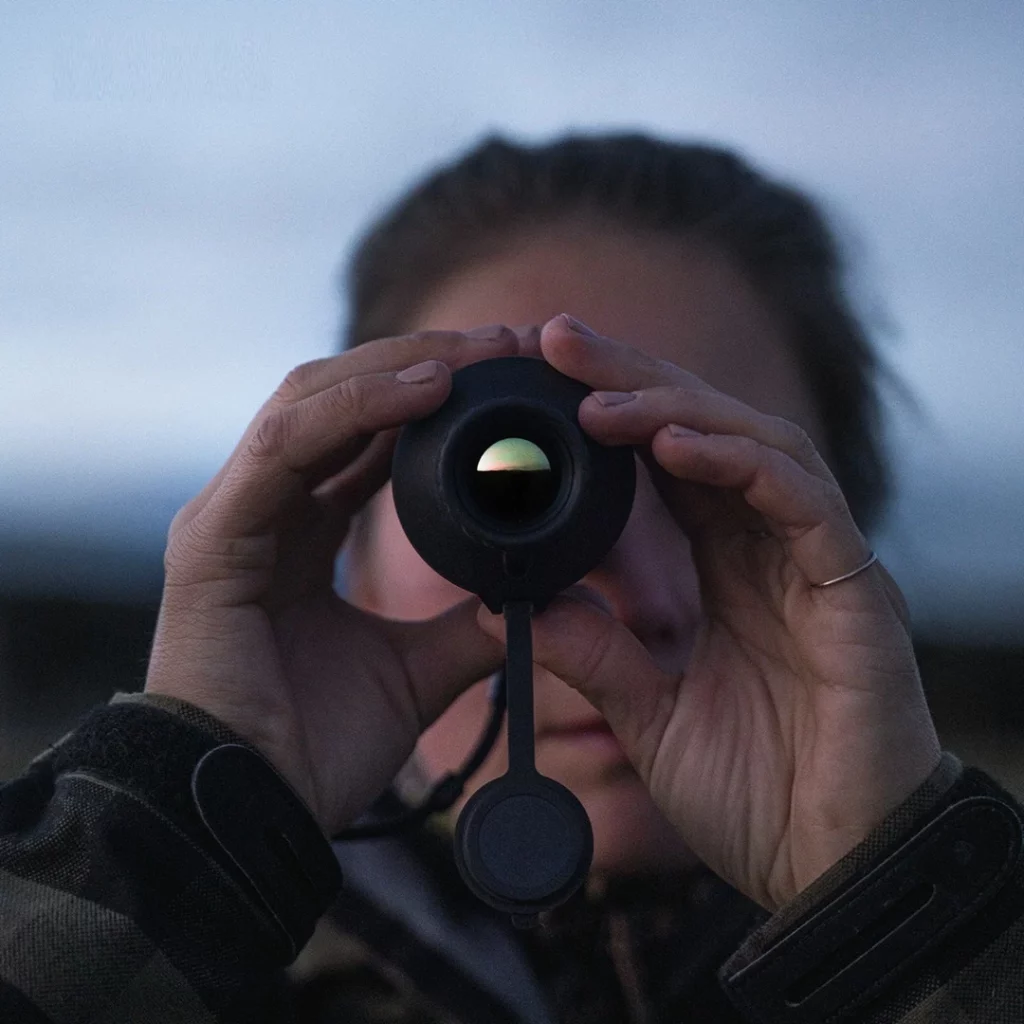
Thermal Africa brings the future of wildlife observation to your fingertips with the wildlife spotting thermal handheld. Whether you’re a game ranger, safari enthusiast, or conservationist, spotting nocturnal or camouflaged animals in the bush is no longer a challenge. In this guide, we explore how this device works, its applications, and why it’s a must-have tool in South Africa’s wild environments.
Why South Africa Needs Wildlife Spotting Thermal Handheld Devices
South Africa is home to some of the world’s richest biodiversity, with over 290 mammal species and countless nocturnal creatures hidden in dense landscapes. Traditional methods of wildlife tracking often fall short in low-light or foggy conditions. A wildlife spotting thermal handheld offers a distinct advantage, using infrared detection to sense heat signatures and make animals visible in total darkness.
Whether you’re monitoring lions in the Kruger National Park or tracking elusive leopards in the Kgalagadi, thermal handheld devices dramatically increase your chances of success.
What is a Wildlife Spotting Thermal Handheld?
A wildlife spotting thermal handheld is a portable thermal imaging device that detects the heat emitted by animals and displays it as a visible image. Unlike night vision, which relies on light amplification, thermal optics read temperature differences, making it ideal for:
- Locating animals hidden in thickets or tall grass
- Spotting movement during early morning or night drives
- Tracking injured or endangered species without causing disturbance
These devices are compact, durable, and easy to use, making them perfect for rugged terrain in South Africa’s game reserves.
Top Benefits of Using a Wildlife Spotting Thermal Handheld
1. Enhanced Night Viewing
Thermal handhelds can detect heat from animals even in complete darkness. This is particularly useful for nocturnal safaris or anti-poaching patrols across South Africa.
2. Safety First
Spotting predators like lions or snakes from a distance reduces the risk of unexpected encounters, especially in remote bushlands.
3. Search and Rescue
In conservation zones, finding injured wildlife or lost individuals becomes more efficient with thermal detection—especially during extreme weather or low-visibility conditions.
4. Eco-Friendly Tracking
Unlike spotlights or flash photography, thermal handhelds do not disturb animals or their natural behavior, making it ideal for responsible tourism and research.
Where to Use Wildlife Spotting Thermal Handheld in South Africa
South Africa offers diverse terrains for testing the limits of your thermal device. Here are some hotspots:
- Kruger National Park – Track game through dense bush, even at night
- Pilanesberg Game Reserve – Use thermal imaging in hilly terrain for clearer visibility
- Eastern Cape – Monitor wildlife in private game lodges during dawn and dusk
- Drakensberg Forests – Spot elusive animals camouflaged in forested areas
A wildlife spotting thermal handheld in these areas helps bridge the gap between visibility and safety.
Features to Look for in a Wildlife Spotting Thermal Handheld
Before making a purchase, consider these essential features:
- Resolution – Higher thermal resolution ensures sharper images
- Range – Choose a device with at least 500–1000m detection range for open areas
- Refresh Rate – A higher refresh rate helps track moving animals smoothly
- Battery Life – Long battery life is crucial for extended fieldwork
- Durability – South Africa’s terrain demands water-resistant and shockproof devices
Thermal Africa offers a curated range of devices to meet these exact needs.
Why Buy from Thermal Africa?
At Thermal Africa, we specialize in cutting-edge thermal imaging solutions tailored for African wildlife environments. We offer:
- Expert advice from local wildlife professionals
- Devices tested in real South African reserves
- Warranty-backed, high-performance equipment
- After-sales support and on-site training
Your journey to better wildlife observation starts with choosing the right tools. Let us help you invest in a wildlife spotting thermal handheld built for South Africa’s wild heart.
Care Tips for Your Wildlife Spotting Thermal Handheld
- Clean lenses regularly with microfiber cloths
- Store in protective casing during transport
- Avoid direct sunlight exposure when not in use
- Charge fully before safaris to prevent sudden shutdowns
- Update firmware when prompted for performance optimization
Conclusion: Elevate Your Wildlife Experience
A wildlife spotting thermal handheld can truly transform how you interact with the bushveld. It’s not just a tool—it’s a gateway to a deeper, safer, and more immersive wildlife experience. Whether you’re tracking game, studying animal behavior, or simply enjoying the wilderness, Thermal Africa provides reliable solutions that meet the demands of South Africa’s unique landscape.
FAQs about Wildlife Spotting Thermal Handhelds
What animals can I see using a wildlife spotting thermal handheld?
You can see most warm-blooded animals, including lions, elephants, leopards, and even small nocturnal species.
Can thermal handhelds work during the day?
Yes. Thermal imaging works both day and night by detecting heat, not light.
Is thermal better than night vision for wildlife spotting?
Yes. Thermal detects heat through foliage and complete darkness, unlike night vision, which needs ambient light.
Do I need a license to own a thermal handheld in South Africa?
No, thermal handhelds for wildlife use are legal and don’t require a permit in South Africa.
How far can a wildlife spotting thermal handheld detect animals?
Detection range varies by model but generally spans 500 to 1000 meters in open terrain.
If you’re ready to upgrade your wildlife experiences, explore our complete collection of wildlife spotting thermal handhelds at Thermal Africa today. Discover what you’ve been missing—literally.