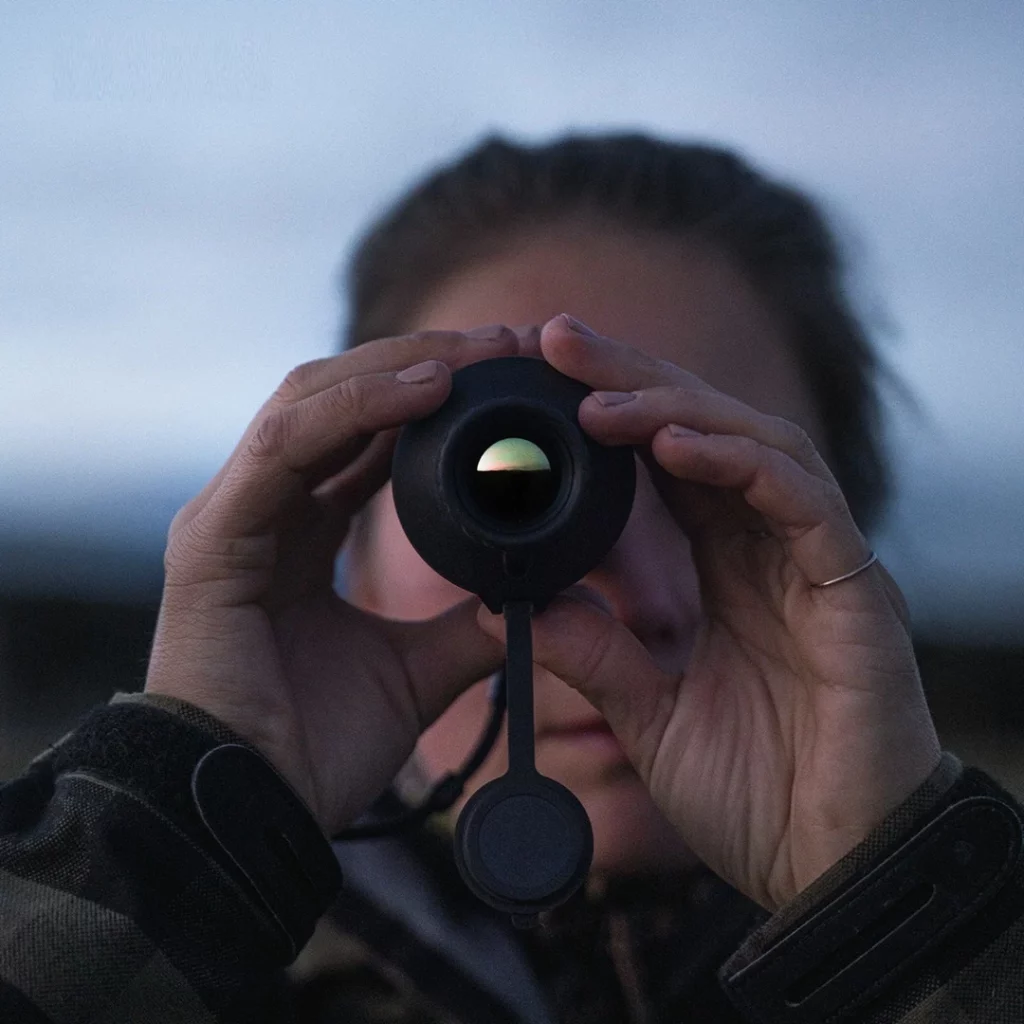
In modern security and surveillance, choosing the right optical sensing technology is crucial. At Thermal Africa, we specialize in advanced thermal solutions that enhance night detection systems and improve overall security performance. Understanding the distinctions between thermal imaging and infrared vision allows you to select the technology best suited for your requirements. Explore how thermal imaging vs infrared optics can impact detection, clarity, and reliability in varying conditions.
What Is Thermal Imaging?
Thermal imaging is a technology that detects heat emitted by objects and converts it into a visible image. Every object with a temperature above absolute zero emits infrared radiation. Thermal cameras capture this radiation and translate it into images that display temperature differences. This makes thermal imaging ideal for scenarios where visibility is low, such as at night, during fog, or in smoke-filled environments.
Unlike traditional cameras, thermal imaging does not rely on visible light. Instead, it visualizes heat signatures, making it invaluable for security, surveillance, wildlife observation, and industrial inspections. Thermal Africa provides a range of thermal imaging solutions optimized for various applications, from personal security to large-scale perimeter monitoring.
Understanding Infrared Vision
Infrared vision, often referred to as IR vision, relies on near-infrared or short-wave infrared light to illuminate a scene. Infrared sensors detect this reflected light and produce an image based on the intensity of the infrared radiation. Unlike thermal imaging, infrared vision requires a light source, either natural or artificial, to function effectively.
Infrared optics are widely used in night vision equipment, cameras, and military-grade surveillance systems. They provide clear images under low-light conditions but may struggle in situations with smoke, fog, or extreme temperature variations. By integrating infrared optics into your night detection systems, you can enhance visibility without relying on ambient light.
Key Differences Between Thermal Imaging and Infrared Vision
While thermal imaging and infrared vision share similarities, they serve different purposes and excel in unique scenarios. Understanding these differences can help organizations make informed decisions about their security infrastructure.
- Detection Method
Thermal imaging captures the heat emitted by objects, independent of light conditions. Infrared vision relies on detecting reflected infrared light. As a result, thermal imaging works in complete darkness, while infrared vision may require an IR illuminator in very low-light environments. - Image Quality and Detail
Infrared vision generally provides higher image resolution and clarity under controlled lighting. Thermal imaging produces images that clearly show heat contrasts but may lack fine visual details. Both technologies complement each other depending on surveillance priorities. - Performance in Harsh Environments
Thermal cameras excel in adverse conditions, including fog, smoke, and dust. Infrared vision may struggle under these circumstances since it relies on light reflection. Choosing thermal imaging over infrared optics ensures consistent performance in challenging environments. - Applications
Thermal imaging is ideal for perimeter monitoring, firefighting, search and rescue, and industrial inspections. Infrared vision is commonly used in night vision goggles, vehicle cameras, and general security applications where lighting conditions are manageable. - Cost and Accessibility
Infrared optics tend to be more affordable and are widely available in consumer-grade night vision equipment. Thermal imaging systems can be more expensive due to advanced sensor technology, but they offer unmatched reliability and versatility.
Integrating Thermal and Infrared Technologies
Many modern night detection systems benefit from combining thermal imaging and infrared vision. By integrating both technologies, organizations can enjoy enhanced detection, precise monitoring, and adaptability to varying environmental conditions. Thermal Africa offers solutions that leverage the strengths of both optical sensing technologies to create comprehensive security setups.
Using dual systems allows security personnel to detect intruders, monitor perimeters, and respond effectively in both clear and adverse conditions. This integration proves invaluable in industries ranging from industrial facility management to wildlife protection and military operations.
Why Choose Thermal Africa for Your Optical Sensing Needs
At Thermal Africa, we provide cutting-edge thermal and infrared technologies tailored to your operational needs. Our team of experts assists with system selection, installation, and maintenance to ensure optimal performance. By understanding the nuances of thermal imaging vs infrared optics, we deliver solutions that improve visibility, enhance security, and reduce operational risks.
We prioritize customer satisfaction by offering customizable systems suitable for small-scale security setups or expansive industrial applications. Our products integrate seamlessly with night detection systems, perimeter alarms, and advanced monitoring technologies to maximize effectiveness.
Advantages of Using Thermal Imaging and Infrared Vision
- Enhanced Security: Detect intruders or anomalies in low-light or no-light environments.
- Versatility: Applicable across industries, including security, industrial inspection, and wildlife monitoring.
- Reliability: Maintain performance in adverse weather conditions with minimal interference.
- Efficiency: Reduce reliance on artificial lighting while improving detection accuracy.
- Integration: Combine technologies for robust surveillance systems tailored to specific needs.
Choosing the Right Technology
Selecting between thermal imaging and infrared vision depends on your operational environment, security requirements, and budget. Thermal imaging excels in harsh conditions and complete darkness, whereas infrared vision provides high-resolution images when ambient or artificial IR light is available. For complex security operations, combining both technologies offers the best overall performance.
By consulting with Thermal Africa, businesses and security professionals can receive expert guidance to determine which system, or combination, best meets their unique requirements.
FAQs
What is the difference between infrared and thermal imaging?
Thermal imaging detects heat emitted by objects, while infrared vision relies on reflected infrared light. Each excels under different conditions.
Which is better for security applications?
Thermal imaging is superior in complete darkness and harsh weather, while infrared vision works well in low-light scenarios with available IR illumination.
Which performs better in harsh weather?
Thermal imaging maintains detection through fog, smoke, and dust. Infrared vision may struggle as it depends on reflected light.
Conclusion
Understanding thermal imaging vs infrared optics is critical for selecting the right optical sensing technology for your night detection systems. Thermal imaging excels in detecting heat in complete darkness and harsh environments, while infrared vision offers high-resolution images under manageable lighting conditions. By consulting Thermal Africa, you can implement reliable, efficient, and versatile surveillance solutions. Whether you need advanced security monitoring, perimeter detection, or industrial inspection capabilities, integrating these technologies ensures optimal performance and peace of mind.