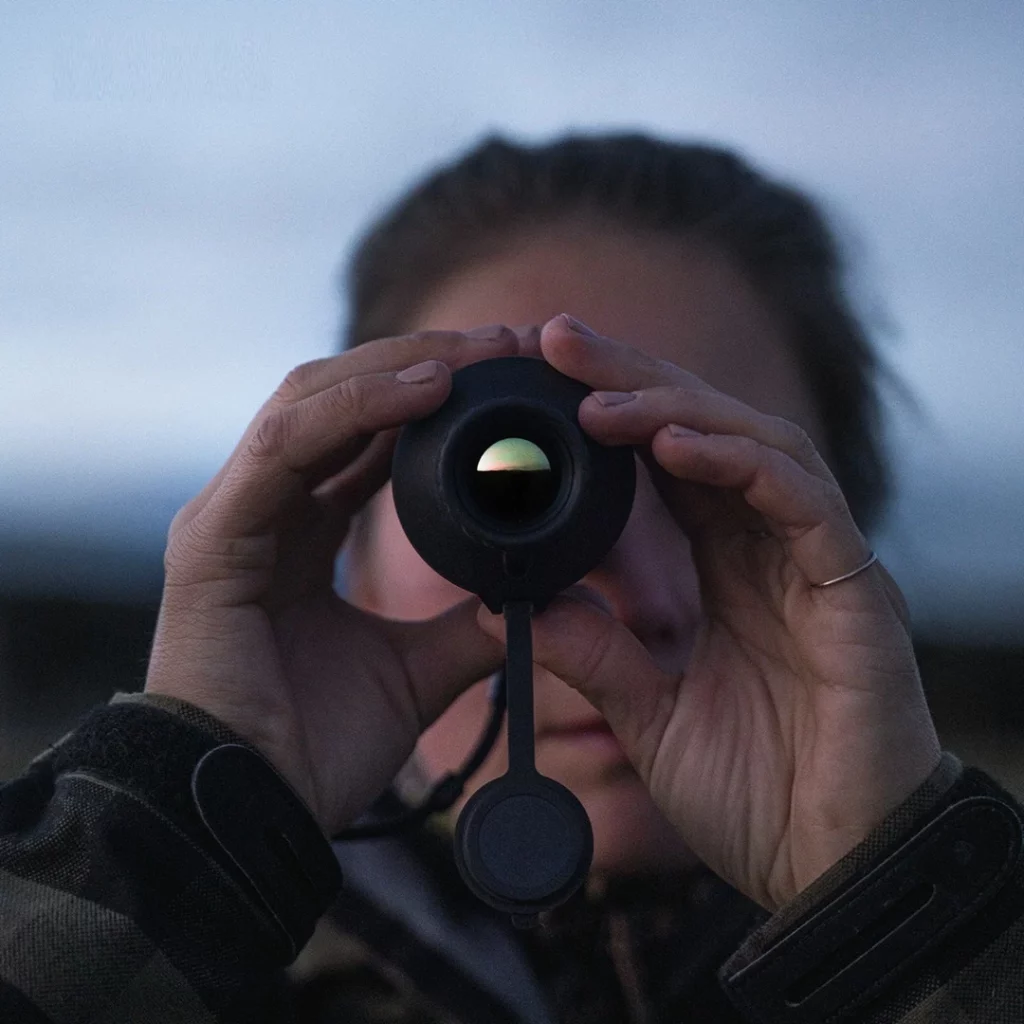
Thermal Africa provides low-light optical enhancement systems designed for real night use across South Africa. The company website, Thermal Africa, explains product options, service support, and local availability for users who depend on clear night visibility. These systems support field operations, safety work, and monitoring tasks where daylight does not exist.
Low-light optical enhancement systems improve visibility by amplifying small light sources such as moonlight and distant ambient glow. Infrared night viewing adds support when visible light drops further. Thermal Africa supplies equipment that works in rural land, industrial sites, and remote zones across South Africa.
Understanding Low Light Optical Enhancement Systems
Low light optical enhancement systems collect existing light and increase image clarity without producing visible light. The system uses lenses to gather light and sensors to raise brightness and contrast. This method allows users to see terrain, movement, and shapes during night hours.
Infrared night viewing works through infrared illumination that human eyes cannot see. The sensor detects this light and shows a clear image. This function supports enclosed areas and nights with heavy cloud cover. Thermal Africa helps users select the correct system based on real field conditions in South Africa.
Why South African Conditions Require These Systems
South Africa includes wide rural zones, farms, wildlife areas, and long transport routes. Many tasks take place after sunset due to heat, safety, or security needs. Low light optical enhancement systems allow work to continue without strong artificial lighting.
Power cuts and limited infrastructure remain common in many regions. These systems operate without grid lighting and suit long night shifts. Thermal Africa focuses on equipment that handles dust, heat, and long operation cycles common in South African environments.
How Thermal Africa Supports Local Users
Thermal Africa offers local guidance, setup support, and after sale service within South Africa. The company provides advice based on task type and location needs. Users receive clear instructions and local product support.
The detailed guide Night Vision in South Africa A Complete Guide with Thermal Africa explains legal use, system limits, and real use cases. This resource helps users choose systems with confidence.
Practical Use Across Industries
Low light optical enhancement systems support many industries across South Africa. Security teams use them for perimeter checks and night patrols. Farm owners rely on them for livestock monitoring and boundary awareness. Wildlife professionals apply nocturnal vision equipment during conservation and research work.
Infrared night viewing supports quiet operation without visible light. This feature reduces attention and improves safety. Thermal Africa supplies systems that meet daily field demands with stable image output.
Image Quality and System Design
Image quality depends on lens size, sensor sensitivity, and display clarity. Larger lenses collect more light and improve detail. Sensors manage brightness and reduce noise. Displays present images without delay.
Thermal Africa focuses on systems that remain comfortable during long use. Balanced design reduces fatigue and improves focus. These features matter during extended night operations in South Africa.
Power Performance and Battery Use
Battery life plays a key role during night work. Most systems use rechargeable power units that last several hours. Infrared night viewing uses more power due to infrared emitters.
Thermal Africa advises users on battery handling and charging cycles. Long runtime supports remote tasks where power access stays limited.
Mounting Options and Mobility
Users can operate nocturnal vision equipment by hand or mount it on helmets and tripods. Mounting choice affects stability and comfort. Thermal Africa recommends mounting setups based on movement level and task duration.
Field teams often combine vision systems with heavy duty trailer hire to move equipment into remote areas. Short term trailer leasing supports temporary projects that require transport flexibility across South Africa.
Care and Storage Practices
Proper care keeps systems reliable. Users should clean lenses with approved cloths and store equipment in dry cases. Heat and dust remain common challenges in South Africa.
Thermal Africa provides handling guidance during purchase and follow up support to extend system lifespan.
Legal Use in South Africa
South African law allows civilian use of night vision equipment under specific conditions. Users must follow privacy, hunting, and surveillance rules.
The resource Night Vision in South Africa A Complete Guide with Thermal Africa explains these limits clearly. This guidance helps users stay compliant during operation.
Choosing the Right System for Your Needs
Users should match system type to environment and task. Low light optical enhancement systems work best where some natural light exists. Infrared night viewing supports enclosed or fully dark zones.
Thermal Africa assists users through direct consultation and product matching based on South African conditions.
FAQs
What is the difference between night vision and thermal imaging?
Night vision enhances available light to show detail and movement. Thermal imaging detects heat patterns without light.
Can night vision devices be used in total darkness?
Infrared night viewing works in total darkness through infrared illumination. Standard low light systems need some light.
Is night vision equipment allowed in South Africa?
Civilian use is legal under defined rules. Users must follow privacy and hunting laws.
Conclusion
Low light optical enhancement systems support safe and accurate night work across South Africa. Infrared night viewing and nocturnal vision equipment allow users to operate in low visibility conditions with confidence. Thermal Africa delivers trusted systems, local support, and clear guidance through Thermal Africa. These tools meet real field needs and support responsible night operations across South Africa.