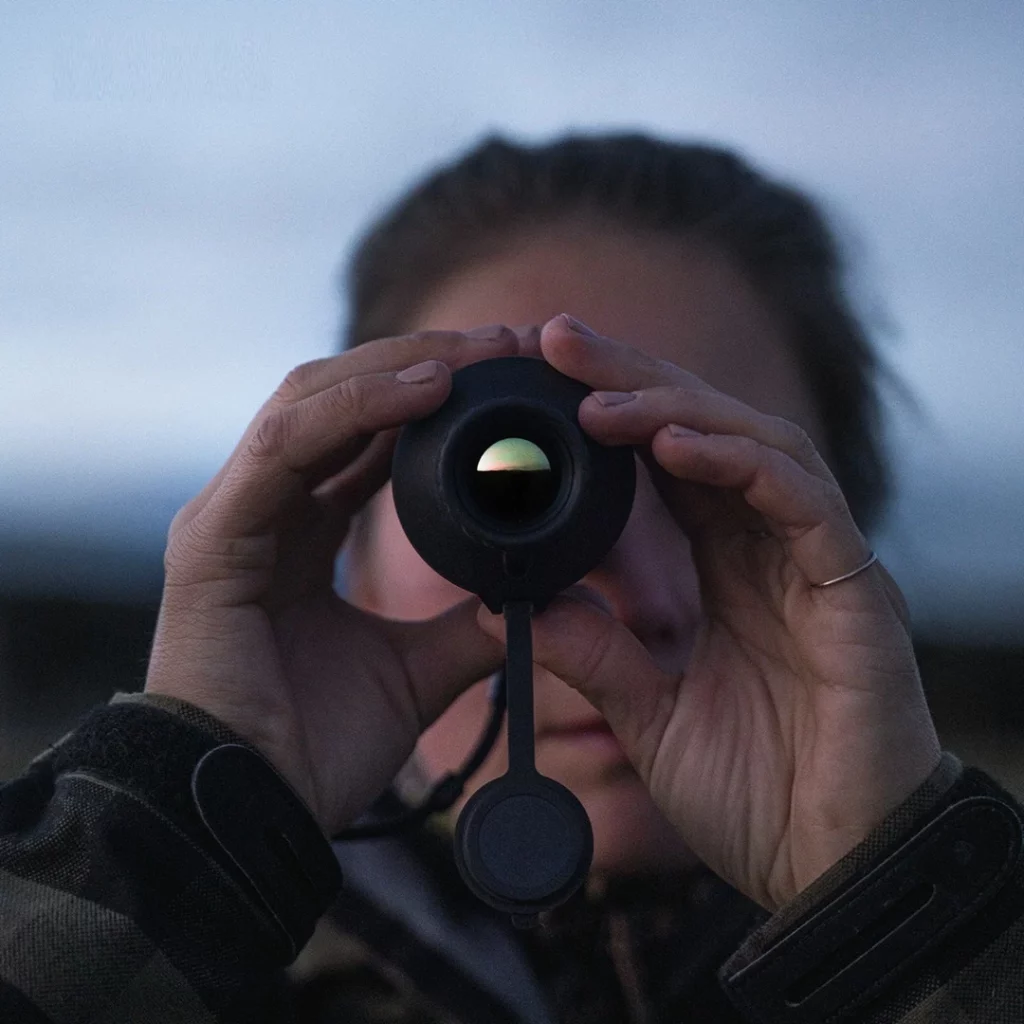
Choosing the right thermal imaging equipment for your needs requires a clear understanding of technology, application, and performance expectations. Businesses and individuals across South Africa increasingly rely on thermal solutions for security, industrial inspection, wildlife monitoring, and infrastructure protection. At Thermal Africa, clients access advanced thermal imaging solutions designed to perform reliably in demanding environments. This guide explains how to approach thermal imaging equipment selection with confidence while comparing infrared optics and aligning your investment with long-term operational goals.
Thermal imaging does not depend on visible light. It detects heat differences and converts them into detailed images. This capability makes thermal devices essential in low light, fog, smoke, and harsh weather conditions. By using this thermal device buying guide, decision makers gain clarity on specifications, features, and use cases so they choose equipment that delivers measurable value.
Understanding Thermal Imaging Technology
Thermal imaging technology works by capturing infrared radiation emitted by objects. Every object above absolute zero emits heat energy. Thermal sensors detect this energy and translate it into an image that highlights temperature differences. This process allows users to see beyond visual limitations and identify people, animals, vehicles, or mechanical faults with accuracy.
When selecting thermal imaging equipment, users must understand sensor resolution, sensitivity, and optics quality. Higher resolution sensors produce sharper images and detect smaller objects at longer distances. Sensitivity, often measured as NETD, determines how well the device distinguishes subtle temperature differences. Optics quality directly affects clarity and detection range, which makes infrared optics comparison a critical step in the buying process.
Why Choosing the Right Thermal Imaging Equipment Matters
Choosing the right thermal imaging equipment for your needs directly impacts performance, safety, and return on investment. A poorly matched device can lead to false alarms, missed detections, or limited operational value. A properly selected system improves situational awareness, reduces risks, and enhances decision making.
For example, perimeter security applications require long range detection and wide field coverage. Industrial inspections demand high thermal sensitivity to identify minor temperature anomalies. Wildlife monitoring benefits from lightweight, portable devices with strong image contrast. Thermal imaging equipment selection must therefore align with the environment and operational objectives.
Key Applications of Thermal Imaging Equipment
Thermal imaging serves multiple industries and operational contexts. Understanding your primary application helps narrow down specifications and features.
Security and surveillance teams use thermal cameras for perimeter protection, border monitoring, and critical infrastructure security. Thermal imaging detects intruders regardless of lighting conditions and reduces dependence on artificial illumination.
Industrial professionals rely on thermal devices for electrical inspections, mechanical diagnostics, and preventive maintenance. Thermal imaging identifies overheating components before failures occur, which reduces downtime and repair costs.
Environmental and wildlife professionals use thermal equipment to track animals, monitor habitats, and conduct research without disturbing ecosystems. Emergency responders depend on thermal imaging during search and rescue operations to locate people quickly.
Each application demands a tailored approach to thermal imaging equipment selection.
Core Factors in Thermal Imaging Equipment Selection
Sensor Resolution and Image Quality
Sensor resolution defines the number of pixels in the thermal image. Higher resolution delivers better image detail and identification accuracy. Entry level devices may suit short range tasks, while professional applications benefit from higher resolution sensors.
Image processing algorithms also influence clarity. Advanced processing improves contrast and sharpness, which enhances detection in complex environments. When evaluating options through an infrared optics comparison, users should review sample imagery and performance data.
Detection Range and Field of View
Detection range determines how far the device can identify heat signatures. Field of view affects how much area the camera covers. A narrow field of view supports long range detection, while a wide field of view suits close range monitoring.
Balancing detection range and coverage is essential. Security applications often require multiple devices to cover wide areas effectively. Consulting experts at Thermal Africa helps ensure correct placement and specification.
Thermal Sensitivity and Accuracy
Thermal sensitivity measures the smallest temperature difference the device can detect. Higher sensitivity improves performance in environments with minimal heat contrast. Industrial inspections and scientific applications benefit from highly sensitive devices.
Accuracy also matters. Reliable temperature measurement ensures actionable insights. Buyers should verify calibration standards and manufacturer specifications during the thermal device buying guide process.
Durability and Environmental Resistance
Thermal imaging equipment often operates outdoors or in industrial environments. Devices must withstand dust, moisture, vibration, and temperature extremes. Rugged housing and appropriate IP ratings protect long-term performance.
Selecting durable equipment reduces maintenance costs and downtime. This factor plays a critical role when choosing the right thermal imaging equipment for your needs in South African conditions.
Integration and Connectivity
Modern thermal devices integrate with security systems, analytics software, and monitoring platforms. Connectivity options include network integration, video management systems, and remote access capabilities.
Scalable integration supports future expansion and improves operational efficiency. Businesses should assess compatibility with existing infrastructure during thermal imaging equipment selection.
Infrared Optics Comparison and Lens Selection
Infrared optics significantly influence performance. Lens quality affects detection distance, image clarity, and focus precision. A thorough infrared optics comparison evaluates focal length, aperture, and coating quality.
Longer focal lengths support distant detection but narrow the field of view. Shorter focal lengths provide wider coverage at shorter ranges. Anti reflective coatings improve light transmission and image contrast.
Choosing the right lens requires understanding the environment and monitoring objectives. Experts at Thermal Africa guide clients through lens selection to ensure optimal performance.
Cost Considerations and Long Term Value
Price should not be the sole decision factor. Buyers should consider total cost of ownership, including installation, maintenance, and operational lifespan. High quality thermal imaging equipment offers durability and consistent performance, which reduces replacement frequency.
Evaluating warranties, support services, and upgrade options ensures long term value. A strategic thermal device buying guide focuses on performance and reliability rather than short term savings.
Common Mistakes When Choosing Thermal Imaging Equipment
Many buyers select equipment based solely on specifications without considering real world application. Others underestimate environmental factors or integration requirements.
Another common mistake involves ignoring future scalability. As needs evolve, systems should support expansion without requiring complete replacement. Avoiding these pitfalls requires professional guidance and a structured approach to thermal imaging equipment selection.
Why Choose Thermal Africa for Thermal Imaging Solutions
Thermal Africa delivers advanced thermal imaging solutions tailored to diverse applications. The company combines technical expertise with industry knowledge to recommend equipment that matches operational needs.
Clients benefit from expert consultation, reliable products, and ongoing support. This approach simplifies choosing the right thermal imaging equipment for your needs while ensuring consistent performance and value.
FAQs
What factors should I consider before buying thermal equipment?
Consider application requirements, sensor resolution, detection range, and environmental conditions. Also evaluate integration options and long term support availability.
Is thermal imaging better than CCTV?
Thermal imaging performs better in darkness, fog, and harsh conditions. CCTV provides visual detail but depends on light, so both often work best together.
How long do thermal devices last?
High quality thermal devices last many years with proper maintenance. Durability, usage intensity, and environmental exposure influence lifespan.
Conclusion
Choosing the right thermal imaging equipment for your needs requires careful evaluation of technology, application, and long term value. By following a structured thermal device buying guide, businesses and individuals make informed decisions that enhance security, efficiency, and safety. A detailed infrared optics comparison and expert guidance further improve outcomes. With support from Thermal Africa, clients achieve reliable thermal imaging equipment selection that delivers consistent performance and measurable benefits across industries.